
Category / Edwardian Furniture
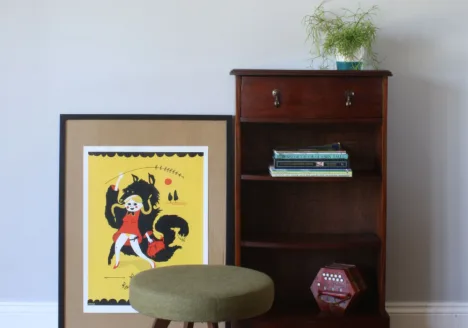
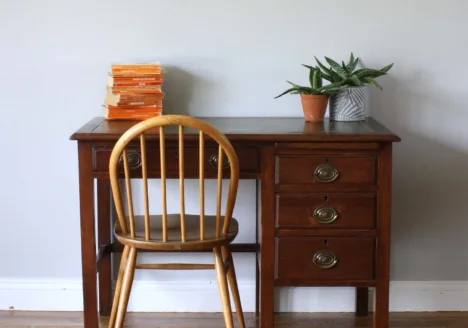
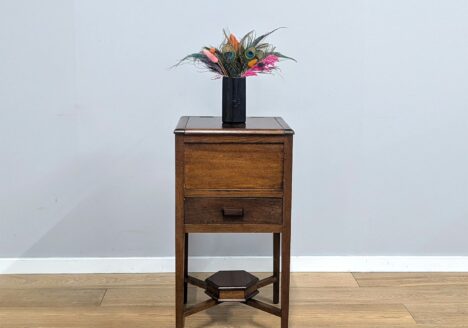
Edwardian furniture refers to the styles produced during the reign of King Edward VII (1901–1910), though the aesthetic continued into the early 20th century. It marked a transition away from the heavier, darker forms of Victorian design toward lighter, more elegant interiors influenced by earlier historical styles and a growing sense of modernity.
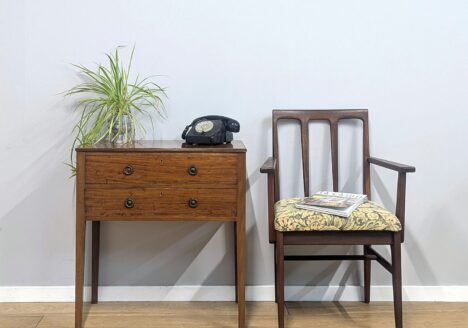
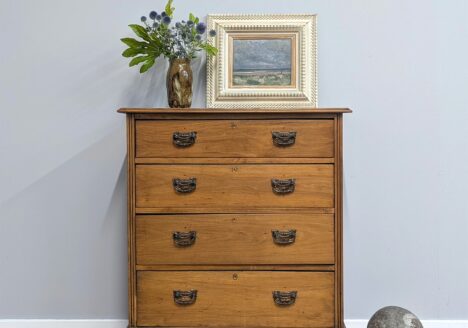
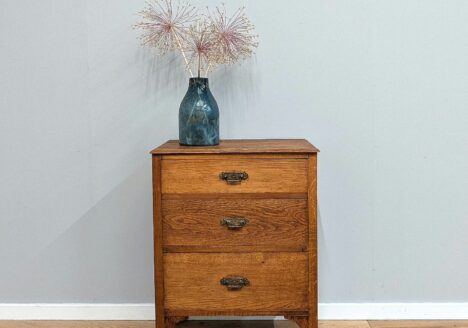
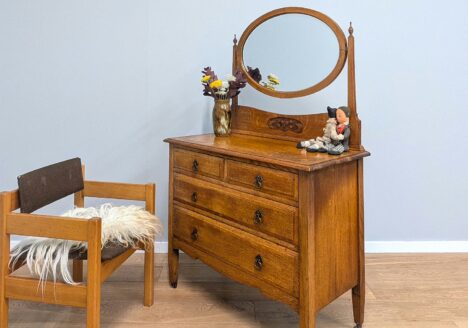
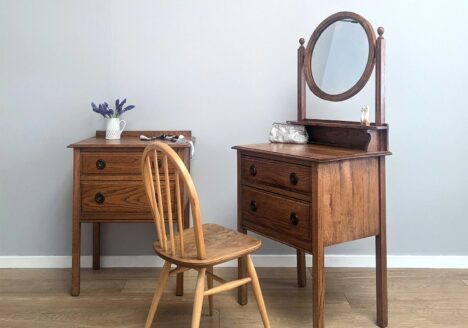
Edwardian furniture is characterised by its refinement and sense of space. Rooms were designed to feel brighter and less cluttered, and furniture reflected this shift with slimmer proportions and more delicate construction. Popular woods included mahogany, satinwood, and walnut, often finished in lighter tones. Painted furniture—especially in white or pastel shades—also became fashionable, contributing to the airy aesthetic of Edwardian interiors.
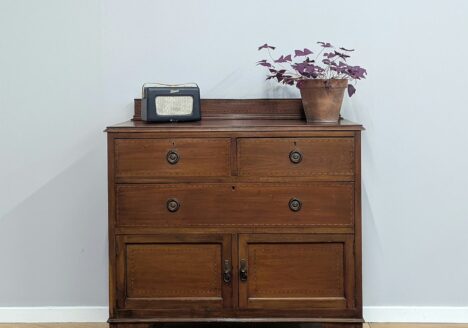
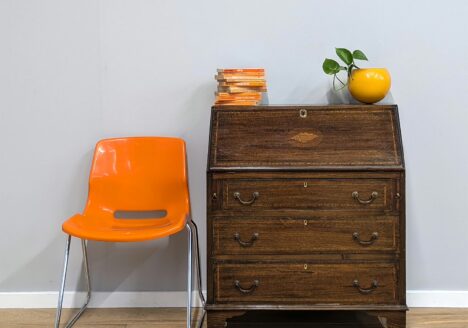
Stylistically, the period drew heavily on earlier movements such as Georgian, Neoclassicism, and French influences like Louis XV and XVI. This resulted in furniture with elegant curves, inlaid decoration, and fine detailing such as marquetry, stringing, and tapered legs. Chairs and sofas often featured lighter frames with upholstered seats, prioritising comfort alongside visual grace.
Technological advances also played a role, as improved manufacturing techniques allowed for more consistent production while maintaining a high level of craftsmanship.
Overall, Edwardian furniture represents a shift toward elegance, comfort, and practicality. It bridges the gap between ornate Victorian design and the simpler, more functional styles that would emerge later in the 20th century, making it an important transitional period in British furniture history.