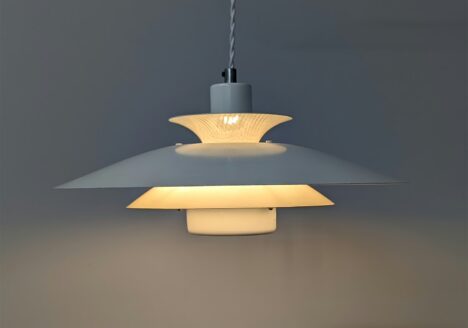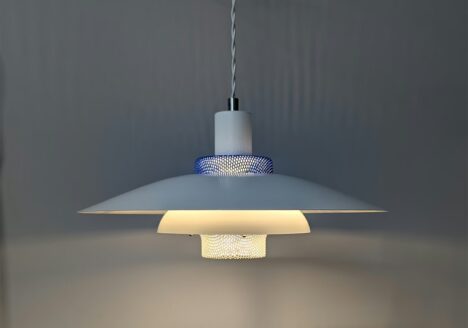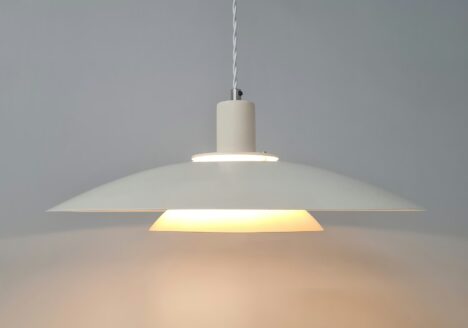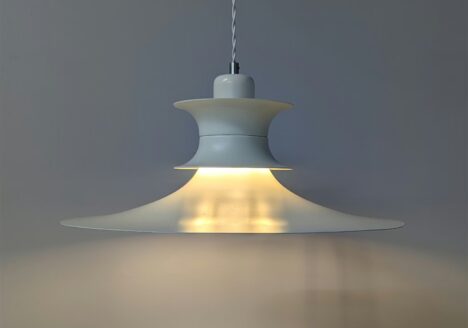

Category / Danish Lighting
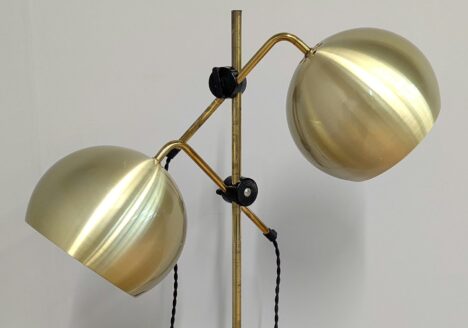
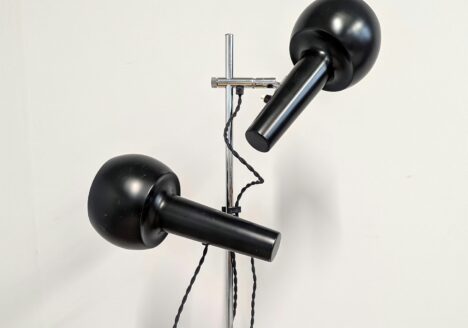
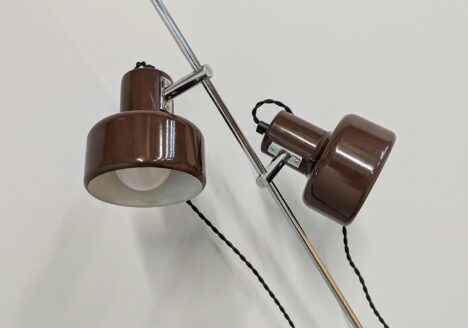
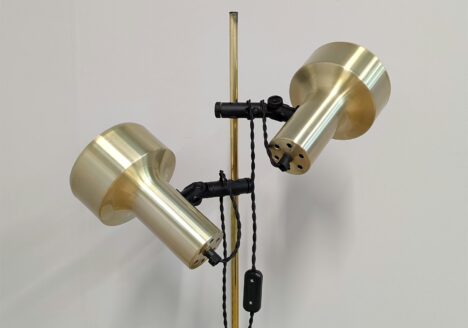
Danish lighting design developed in the early to mid-20th century as part of the broader Scandinavian modern movement, which emphasised simplicity, functionality, and human-centred design. Lighting was treated not just as a practical necessity but as an essential element of atmosphere, particularly important in a Nordic climate with long, dark winters. Designers focused on creating soft, glare-free illumination that enhanced comfort and wellbeing within the home.
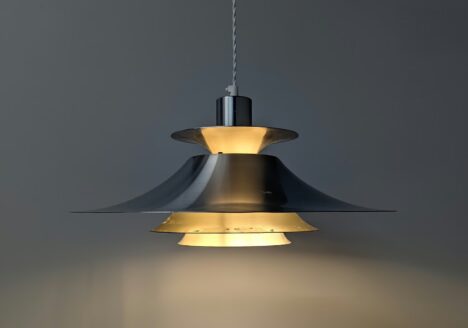
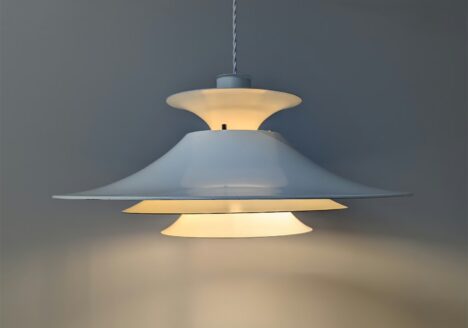
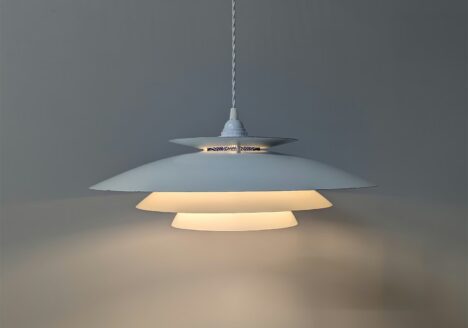
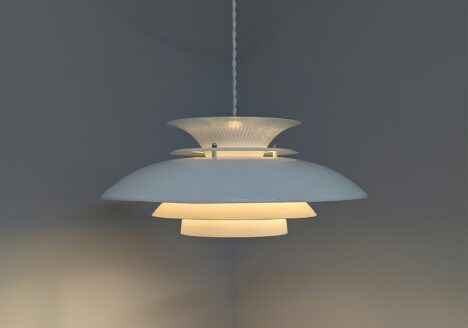
One of the most influential figures in this field was Poul Henningsen, whose multi-shade lamp systems—produced by Louis Poulsen—revolutionised modern lighting. His designs carefully controlled the direction and diffusion of light, eliminating harsh glare and producing a warm, even glow. This approach became a defining principle of Danish lighting design.
Materials and craftsmanship also played a crucial role. Designers often combined metal, glass, and wood, using high-quality finishes to create fixtures that were both functional and visually refined. Forms were typically simple and elegant, allowing the quality of light itself to take centre stage.
Today, Danish lighting remains highly sought after for its timeless aesthetic and exceptional usability. Its focus on comfort, durability, and understated beauty aligns well with contemporary interiors, while iconic designs continue to feel modern decades after their creation. As a result, Danish lighting is valued not only as functional design but also as enduring works of design heritage.